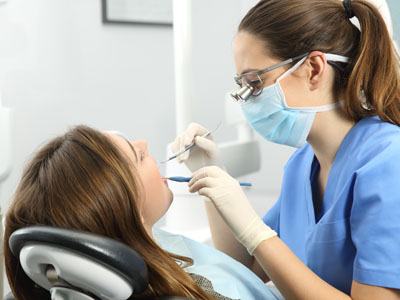
Good daily oral care lays the foundation for a healthy smile, but even the most careful brushing and flossing leave areas that benefit from professional attention. Routine dental cleanings remove hardened deposits, reduce bacterial buildup, and give your mouth a reset that supports long-term health. This page explains how modern cleanings work, why they’re important, and how we customize care to keep your teeth and gums healthy with the least possible discomfort.
Everyday brushing and flossing control much of the soft plaque that forms on teeth, but plaque that remains can harden into tartar (calculus). Tartar bonds firmly to tooth surfaces and along the gumline, creating a protected environment where bacteria flourish. Left untreated, that bacterial load increases the risk of cavities and the inflammation that leads to gum disease.
Professional cleanings remove plaque and tartar from places your brush and floss can’t reliably reach, including narrow spaces between teeth and just below the gumline. By disrupting bacterial colonies and smoothing tooth surfaces, a cleaning helps your home-care routine work more effectively and reduces the chances of progressive problems that require more invasive treatment.
Beyond preserving teeth and gums, routine cleanings are an opportunity to catch early signs of dental or oral health changes. Detecting inflammation, unusual wear, or early decay during a cleaning can lead to simple, conservative interventions rather than complex procedures later on.
Most professional cleanings begin with a thorough assessment of your mouth. The hygienist examines visible teeth, checks the gum tissues for signs of inflammation, and reviews any medical or dental changes since your last visit. This brief evaluation sets the stage for safe, targeted cleaning.
Scaling is the core of the procedure and may be done with hand instruments, an ultrasonic scaler, or a combination of both. Ultrasonic scalers use water spray and high-frequency vibrations to loosen deposits, while hand instruments allow precise removal in tight spots. When necessary, local topical agents can be used to manage sensitivity so the experience remains comfortable.
After scaling, the hygienist polishes teeth to remove surface stains and smooth the enamel, then flosses between every tooth. Depending on your needs, the appointment may conclude with a fluoride or remineralization treatment and personalized advice to support healing and limit future buildup.
Not every patient needs the same approach. People with healthy gums often do well with routine preventive cleanings and regular checkups. Those with a history of periodontal disease or deeper pockets require more frequent or specialized maintenance to control inflammation and prevent progression.
Patients with dental restorations, implants, orthodontic appliances, or heightened sensitivity receive tailored care that protects those structures while minimizing discomfort. We also take systemic health into account—conditions such as diabetes or certain medications can influence gum response and the cleaning schedule we recommend.
At the office of Hearth Dental Practice, our team reviews your individual risk factors and designs a plan that balances thoroughness with gentleness. The goal is to protect tooth structure, preserve gum health, and keep future treatment needs as conservative as possible.
Technology has improved the efficiency and comfort of dental cleanings. Ultrasonic scalers shorten appointment time and are particularly effective on heavy deposits, while ergonomic hand instruments allow the hygienist to target stubborn areas with fine control. These tools work together to reduce trauma to soft tissues and minimize postoperative sensitivity.
Other advances, like intraoral cameras and digital scanners, help clinicians visualize small problems earlier and explain findings clearly to patients. Lasers can be used in certain cases to treat inflamed tissue more gently and encourage healing. When appropriate, these technologies allow us to provide care that is both minimally invasive and highly effective.
While equipment enhances the process, the difference ultimately comes from skilled clinicians who combine clinical judgment with modern tools. That combination ensures cleanings are thorough without being aggressive, and that each visit contributes meaningfully to your oral health plan.
A professional cleaning provides a fresh start, but daily habits determine how long you keep it. Brushing twice a day with a fluoride toothpaste and using an interdental cleaner or floss once daily removes the soft plaque that forms between professional visits. Simple changes—like switching to a soft-bristled brush, improving your brushing technique, or adding an interdental brush—can make a measurable difference.
Diet influences oral health, too. Limiting frequent snacking on sugary or acidic foods reduces the acid attacks that contribute to decay and enamel wear. Drinking water after meals and chewing sugar-free gum when brushing isn’t possible are helpful ways to support a balanced oral environment that favors remineralization.
Finally, keep a regular schedule of professional care. For most people, twice-yearly cleanings are a practical baseline, but your clinician may recommend a different interval based on your individual risk. Combining consistent home care with professional maintenance yields the strongest protection for your smile over time.
Regular dental cleanings are a cornerstone of preventive dentistry: they remove deposits, lower bacterial risk, and provide the opportunity to identify early concerns before they become larger problems. If you’d like to learn more about how our team can help you maintain a healthy, comfortable smile, please contact us for more information.


A dental cleaning is a professional procedure that removes plaque and hardened tartar from tooth surfaces and just below the gumline to reduce bacterial buildup. Regular cleanings disrupt colonies of bacteria that contribute to cavities and gum inflammation, protecting both teeth and supporting tissues. Cleanings also give clinicians a chance to identify early signs of problems so issues can be addressed conservatively before they become more involved.
At the office of Angela Laithangbam, DDS Inc., cleanings are part of a preventive approach that emphasizes preservation and minimally invasive care. By combining gentle techniques with modern tools, cleanings help your home-care routine work more effectively and extend the life of natural tooth structure. Routine maintenance is a cornerstone of long-term oral health and helps maintain comfort and function over time.
Most cleanings begin with a brief oral assessment where the hygienist examines teeth, evaluates gum tissues for inflammation, and reviews any changes in medical or dental history. The core cleaning step is scaling, which can be performed with ultrasonic scalers, hand instruments, or a combination to loosen and remove plaque and calculus from tooth surfaces and periodontal pockets. Following scaling, teeth are polished to remove surface stains and smoothed to make it harder for new deposits to adhere.
The appointment often concludes with flossing between each tooth and a targeted preventive treatment such as fluoride or another remineralization therapy when appropriate. Clinicians provide personalized guidance on brushing and interdental cleaning to address areas of concern observed during the visit. Managing sensitivity with topical agents is available when needed to ensure a comfortable experience.
For many adults, twice-yearly cleanings are a practical baseline that balances preventive care with real-world schedules, but individual needs vary based on risk factors. Patients with a history of periodontal disease, heavy buildup, certain systemic conditions, or specific medications may require more frequent visits to control inflammation and prevent progression. Your clinician will assess your gum health, decay risk, and any restorative work to recommend an interval tailored to you.
Consistency is more important than a single appointment, so following a personalized schedule keeps bacterial loads low and allows for early detection of changes. Maintaining the recommended interval helps reduce the likelihood of needing more invasive treatments later. If your oral status changes, the practice can quickly adjust the frequency to match your needs.
Many patients experience little to no discomfort during modern cleanings thanks to careful technique and available sensitivity management. Hygienists use ergonomic instruments and gentle settings on ultrasonic scalers to minimize trauma, and topical desensitizing agents can be applied when needed to reduce discomfort during and after the appointment. Communication with your clinician about sensitivity allows them to modify the approach and make the visit more comfortable.
When gum disease is present, deeper cleaning or more frequent maintenance may be required, and clinicians take extra steps to control inflammation and preserve tissue health. Postprocedural sensitivity can occur but typically resolves within a few days; clinicians can recommend at-home products and strategies to accelerate comfort and healing. If pain is severe or persistent, contacting the office promptly helps rule out complications and ensures appropriate follow-up care.
Advances such as ultrasonic scalers, intraoral cameras, digital scanners, and lasers have improved the precision and comfort of cleanings. Ultrasonic instruments reduce appointment time and are effective on heavy deposits while hand instruments provide fine control in tight areas, and intraoral imaging helps clinicians spot small problems and explain findings clearly. Lasers may be used selectively to treat inflamed tissue in a gentler way and to promote healing when appropriate.
While equipment enhances the process, the clinician’s skill and judgment determine the overall quality of care. Combining experienced clinicians with modern tools allows for thorough yet minimally invasive cleanings that focus on preserving natural tooth structure. This integrated approach supports better outcomes and clearer communication about oral health status.
Yes, routine professional cleanings play a central role in preventing both gum disease and tooth decay by removing plaque and tartar that home care often misses. Cleanings reduce the bacterial load that drives inflammation and demineralization, allowing enamel to remineralize more effectively and gum tissue to remain healthy. Early detection of inflammation, abnormal wear, or small areas of decay during a cleaning often leads to conservative interventions instead of more extensive procedures.
Prevention is most effective when cleanings are paired with consistent home care and risk-based guidance from your dental team. Clinicians can recommend fluoride or remineralization therapies, tailored oral hygiene techniques, and modifications to diet or habits that contribute to a healthier mouth. Regular maintenance visits help keep minor issues from developing into conditions that require more invasive treatment.
You can extend the benefits of a professional cleaning by brushing twice daily with a fluoride toothpaste and cleaning between teeth once a day using floss or an interdental cleaner. Choosing a soft-bristled brush, using proper technique, and replacing the brush every three months reduce abrasive wear and improve effectiveness. Drinking water after meals, limiting frequent snacking on sugary or acidic foods, and chewing sugar-free gum when brushing isn’t possible all support a balanced oral environment.
Your dental team may suggest targeted tools such as interdental brushes, prescription-strength fluoride, or specific products for sensitivity or dry mouth based on your needs. Following personalized recommendations from the hygienist or dentist helps address problem areas identified during your cleaning. Keeping scheduled visits and reporting changes promptly ensures small issues are treated early.
Yes, cleanings are adapted to protect implants, orthodontic appliances, crowns, bridges, and other restorations while effectively removing plaque and calculus. Hygienists use specialized instruments and techniques that are safe for implant surfaces and restorative materials, avoiding aggressive actions that could damage prosthetics. For patients with braces or aligners, clinicians focus on areas where plaque tends to accumulate and provide tailored home-care strategies to control buildup.
Regular maintenance is especially important for restored mouths because deposits around restorations and implants can lead to complications if untreated. Your team will assess the condition of restorations at each visit and recommend appropriate intervals and tools to preserve both natural teeth and prosthetic work. Clear communication about appliances and restorations helps the clinician plan a conservative, protective cleaning approach.
After a routine cleaning many patients notice smoother teeth and cleaner-feeling gums, with any mild sensitivity typically resolving within a few days. You may experience slight gum tenderness or temporary sensitivity to hot and cold, and clinicians can suggest desensitizing products or topical agents if needed. If you have had deeper maintenance around periodontal pockets, there can be more pronounced sensitivity or light bleeding that gradually improves with proper home care.
Contact the office if you experience severe pain, swelling, prolonged bleeding, or signs of infection, or if you have concerns about a restoration or implant after the procedure. For routine questions about post-care instructions or to schedule follow-up treatment, the practice staff can advise you and arrange an appointment. Prompt communication ensures issues are addressed quickly and conservatively.
Systemic health conditions such as diabetes, cardiovascular disease, or immune disorders, as well as certain medications, can influence gum response and the mouth’s ability to heal, so clinicians factor these variables into cleaning frequency and technique. For example, diabetes can increase the risk of gum inflammation and slow healing, which may necessitate more frequent maintenance visits and closer monitoring. Your hygienist will review medical history, medications, and any recent changes to determine an appropriate preventive plan.
Clear communication about health status, medications, and any recent medical changes helps the dental team provide safe, effective care and coordinate with your medical providers when necessary. Adjustments may include altered appointment intervals, specific preventive treatments, or modified instrumentation to reduce risk. Keeping both dental and medical teams informed helps preserve oral health as part of your overall well-being.
Ready to schedule your next dental appointment or have questions about our services?
Contacting Hearth Dental Practice is easy! Our friendly staff is available to assist you with scheduling appointments, answering inquiries about treatment options, and addressing any concerns you may have. Whether you prefer to give us a call, send us an email, or fill out our convenient online contact form, we're here to help. Don't wait to take the first step towards achieving the smile of your dreams – reach out to us today and discover the difference personalized dental care can make.