
Removing a tooth is never the first choice; it’s a carefully considered treatment when other options would leave your oral health at risk. Extractions are recommended to stop the spread of infection, prevent damage to neighboring teeth, or remove teeth that will interfere with proper development and function. Our team focuses on preserving teeth whenever possible, and extraction is reserved for situations where it truly benefits your long-term health and comfort.
There are several common scenarios that lead to extraction: a primary (baby) tooth that fails to fall out and blocks normal development, a permanent tooth with extensive structural damage that cannot be restored, or a tooth fractured below the gumline. Advanced periodontal disease that has compromised the bone and soft tissues supporting a tooth can also make extraction the safest option to protect overall oral health. In addition, teeth that are severely impacted or poorly positioned—like many troublesome wisdom teeth—may need to be removed to prevent future problems.
For growth and alignment concerns, removing a tooth can sometimes be part of an orthodontic plan to create the space needed for a healthy bite. In children, an ankylosed baby tooth (one fused to the bone) can disrupt eruption patterns and require timely removal to allow a permanent tooth to emerge normally. When extraction is recommended, we explain the reason clearly and outline next steps so you understand how the decision protects your smile.
Our priority is a thoughtful, conservative approach: we balance the benefits of preserving natural teeth with the realities of long-term function and health. If removal is the most prudent course, we coordinate care to minimize discomfort, preserve surrounding structures, and plan for how the space will be managed afterward.

Every extraction begins with a detailed review of your medical and dental history to identify any factors that could affect treatment. Be sure to tell us about current medications, recent surgeries, heart conditions, or anything else your physician has flagged—these details help us decide whether antibiotics, medication adjustments, or a medical clearance are necessary before surgery. Clear communication helps us reduce risk and improve outcomes.
We use diagnostic tools such as clinical exams and digital radiographs to look beneath the surface and plan the safest approach. X-rays reveal root shape, bone level, and the position of neighboring structures, which helps determine whether a tooth can be removed simply or if a surgical approach will be required. Imaging creates a predictable treatment map so you and the clinician can make informed choices together.
Comfort and safety are central to our planning. Local anesthesia is the standard for making the procedure pain-free, and for patients who feel anxious or need more extensive care, we discuss dental sedation options. If a case is complex—such as a deeply impacted wisdom tooth or atypical root anatomy—we may refer to or collaborate with an oral and maxillofacial surgeon to ensure you receive the optimal level of care.
Before the day of the extraction we provide clear pre-operative instructions and answer questions about what to expect so you can arrive prepared and confident. Good preparation reduces complications and speeds recovery, and our team will walk you through every step before any procedure begins.
A simple extraction applies when the tooth is fully visible in the mouth and root anatomy allows for removal with forceps after local anesthetic. In these cases, we numb the area thoroughly, loosen the tooth with gentle instrumentation, and remove it in a controlled manner. The goal is to complete the procedure with minimal trauma to surrounding tissue so healing is faster and more comfortable.
Surgical extractions are required when a tooth is broken at the gum line, impacted, or fused into the jawbone. These cases often involve a small incision in the gum and sometimes the selective removal of a bit of bone to access and remove the tooth. Surgical removal is precise and reasoned; we take steps to protect adjacent teeth and tissues and to shape the site for optimal healing and future restorative options.
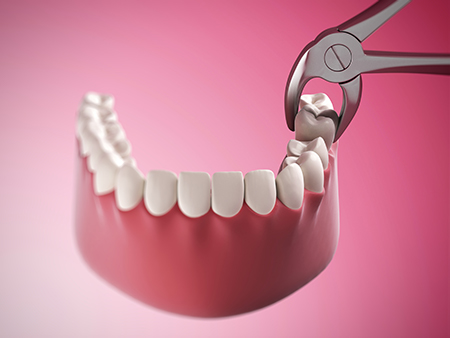
Healing after an extraction follows a predictable course, but everyone’s body responds a bit differently. In the first few hours you’ll rely on gauze to apply gentle pressure and form a protective clot over the socket. It’s normal for light oozing to continue for up to 24 hours, but heavy bleeding that does not respond to pressure should prompt a call to the office. Rest, modest activity, and attention to the following aftercare steps help avoid complications and promote comfort.
Avoid disturbing the extraction site: don’t rinse vigorously, spit, or use a straw for the first 24–48 hours, since suction can dislodge the clot and delay healing. Protect numb tissues until sensation returns to avoid accidentally biting cheeks or lips. Use ice packs on the face in short intervals to limit swelling during the first day, and follow medication instructions carefully—taking an over-the-counter pain reliever or a prescribed medicine as advised can prevent discomfort from escalating.
Diet plays a helpful role in recovery; choose cool or lukewarm soft foods and avoid hot, crunchy, or spicy items for a day or two. Gentle oral hygiene is important: brush the rest of your mouth normally but be very careful near the extraction site. After 24–48 hours, a gentle rinse with warm saltwater can help keep the area clean, but only if your clinician confirms it’s appropriate for your case.
If sutures are placed or your situation requires closer monitoring, we’ll schedule a follow-up visit. Contact the office if you experience increasing pain, fever, persistent bleeding, or any other concern—early communication helps us address issues quickly and effectively.
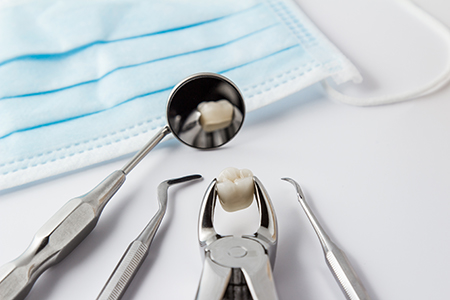
Some extractions are straightforward; others touch nearby nerves, sinuses, or require management of underlying health conditions. Impacted wisdom teeth, ankylosed baby teeth, or roots that are curved and close to vital anatomy are examples where a specialist’s skills can add value. When a referral is in your best interest, we work closely with trusted oral surgeons to ensure continuity of care and a clear plan for treatment and recovery.
Complex cases may also involve coordination with your physician—especially if you take blood thinners, have cardiac conditions, or are medically fragile. In those situations, a collaborative plan reduces risk and helps tailor anesthesia and medication protocols. Our team’s role is to facilitate that coordination so you receive safe, seamless treatment across providers.
Even when specialist intervention is recommended, we remain involved in your care. We’ll review the surgeon’s recommendations with you, discuss timing, and plan for any necessary follow-up or restorative steps after the extraction is complete. The aim is to make transitions between providers smooth and to keep your long-term oral health front and center.
Removing a tooth is often the start of a restorative plan. How the empty space is managed depends on your needs, timeline, and the health of surrounding teeth. Options include removable prostheses, fixed bridges, and dental implants. Each choice has advantages and considerations: removable solutions can be quick and economical, bridges use neighboring teeth for support, and implants replace the root as well as the crown for a solution that closely mimics a natural tooth.
Our philosophy emphasizes conservative, long-term results. We assess bone quality, adjacent tooth health, and your overall oral health before recommending a restorative path. When appropriate, dental implants are discussed as a durable, stable solution that helps preserve adjacent teeth and bone, but they require sufficient bone and careful planning to succeed.
Decisions about replacement are collaborative: we outline the pros and cons, discuss timelines, and tailor recommendations to fit your oral health goals. Whether you prefer a minimally invasive interim solution or a definitive restorative plan, we help you choose an approach that supports both function and appearance.
At Hearth Dental Practice, our team prioritizes conservative care, clear explanations, and a steady focus on your comfort and long-term oral health. If you have questions about whether an extraction is necessary or want to understand how removal would fit into a broader treatment plan, please contact us for more information.


The most common reasons for tooth loss include advanced periodontal disease, extensive tooth decay, and facial trauma. According to statistics, gum disease is responsible for close to 70% of tooth loss in adults. Although less frequent than the preceding three reasons, it should also be noted that specific diseases, drugs, smoking, and poor nutrition contribute to the risk of tooth loss.
The Centers for Disease Control and Prevention report that in the United States, an average of 12 teeth (including the wisdom teeth) are lost by the age of 50. Also, 26% of adults between 65 and 74 years of age have lost all their teeth.
Every patient and every situation is different. However, when a tooth and the surrounding tissues are numbed with a local anesthetic, you should only expect to feel a bit of pressure, but no pain as the tooth is being loosened from the surrounding tissues and extracted. For patients who are apprehensive and for some surgical extractions, our office will discuss our options in dental sedation to provide further relaxation and reduce any sense of discomfort.
While it's normal to feel some tenderness and swelling following an extraction, the degree of these sensations can vary. It mostly depends on the complexity of the extraction and the body's response to the procedure. We'll recommend or prescribe the appropriate pain medication to help ensure your comfort and give you specific instructions for maximum effectiveness and safety.
Typically, the recovery period following a simple extraction is shorter than a surgical extraction. However, a patient's overall health, habits, the size and location of the tooth, and other variables can influence recovery and healing. To speed up the recovery and avoid any complications, patients must follow the given at-home instructions diligently. We'll carefully review what to expect following your procedure and go over your post-op instructions.
Smoking interferes with blood clot formation, which is an essential first step in the healing process. Blood clot formation not only provides a protective layer to cover the underlying exposed bone and nerve endings, but it also supports the growth of new tissue. Cigarette smoke also contains chemical toxins that can disrupt the healing process and lead to problems such as continued inflammation, infection, or dry socket.
In a very small percentage of cases, a condition known as dry socket can develop in the aftermath of a dental extraction. This painful condition can arise when the blood clot in the extraction site doesn't form properly or gets dislodged. With dry socket, you may experience throbbing pain and symptoms such as bad breath and an unpleasant taste in your mouth. As skilled providers of care, our office will provide immediate treatment to alleviate your discomfort and promote healing.
The last teeth in your mouth to develop, wisdom teeth often do not have enough room to fully erupt or may be positioned in the wrong direction. These issues can affect your dental health as well as overall wellbeing. While some individuals never develop all their wisdom teeth, and a few have sufficient space for them, there are many people with partially or fully impacted third molars. Our office will monitor the development, position, and health of your wisdom teeth and will advise you if and when extractions are indicated.
After a tooth is removed, bone-grafting material is sometimes placed in the socket to promote healing and encourage new bone development. This procedure is often performed to support the eventual and successful placement of a dental implant.
At the office of Hearth Dental Practice, we strive to make dental care affordable and accessible. Depending on the type or complexity of the extraction and other variables, the cost of the procedure can vary. Based on our diagnostic findings, our office will inform you of the healthiest choices in care, explain the fees, discuss insurance coverage, and explain your payment options.
Many dental plans offer some level of coverage for tooth extractions. We'll advise you if your plan covers the full cost of the procedure and if there is any out-of-pocket expense. Our business office will work with you to maximize your insurance benefits as much as possible while helping you minimize any out-of-pocket expenses.
Extraction becomes necessary when a tooth cannot be preserved without risking surrounding teeth or overall oral health. Common reasons include severe decay that undermines the tooth structure, an irreparable fracture that extends below the gumline, advanced periodontal disease with loss of supporting bone, or an infection that does not respond to conservative therapy. Wisdom teeth that are impacted or cause crowding and persistent pain are also frequently recommended for removal to prevent future problems.
Before recommending an extraction, the clinician weighs alternatives such as restoration, endodontic treatment, or monitoring when appropriate. The goal is always to preserve natural teeth when possible while protecting long-term function and comfort. When removal is the most prudent option, the team explains the rationale and outlines next steps to support predictable care.
Evaluation begins with a thorough review of your medical and dental history and a clinical examination to identify factors that could affect treatment. Diagnostic imaging such as digital radiographs helps reveal root shape, bone levels, and the position of nearby anatomy so clinicians can plan a safe, predictable approach. Knowing current medications, cardiac history, or recent surgeries also helps the team determine if medication adjustments, antibiotics, or medical clearance are needed before the procedure.
Planning prioritizes patient comfort and safety, and the team discusses anesthesia and sedation options when appropriate. Complex cases are mapped out carefully to preserve surrounding structures and minimize trauma. Clear preoperative instructions are provided so patients arrive prepared and confident for their appointment.
A simple extraction is performed when the tooth is fully visible in the mouth and can be removed with forceps after local anesthesia. The clinician numbs the area, gently loosens the tooth, and removes it in a controlled manner to limit trauma to the socket and surrounding tissue. These procedures are often quicker and allow for straightforward healing when anatomy is favorable.
Surgical extractions are required when a tooth is broken at the gum line, impacted, or embedded in bone and cannot be removed with forceps alone. This approach may involve a small incision, selective removal of bone, or sectioning of the tooth to safely access and extract it. Surgical care is planned to protect adjacent teeth and shape the site for optimal healing and future restorative options.
Preparation starts with honest communication about your health, medications, and any concerns about anxiety or previous complications with dental care. Follow the preoperative instructions provided by your clinician, which may include fasting guidelines for sedation, adjustments to certain medications, or arranging transportation if sedation will be used. Bringing a list of current medications and any pertinent medical records or clearances helps the team make informed decisions.
Plan for a period of rest after the procedure and arrange for someone to drive you home if sedation is administered. Wear comfortable clothing and avoid heavy meals or alcohol before appointments where sedation might be considered. Clear instructions from the office will reduce risk and support a smoother recovery.
Local anesthesia is used to make the procedure pain-free, and sedation options are available for patients who feel anxious or need more extensive management. During a simple extraction you will typically feel pressure but not pain, and the clinician will remove the tooth while protecting surrounding tissues. Surgical extractions may take longer and involve incisions or removal of small amounts of bone to access the tooth.
Immediately after the extraction you will bite on gauze to form a protective clot and control bleeding, and the team will review aftercare instructions with you. Mild swelling and discomfort are normal and can be managed with ice, rest, and recommended medications. The office will provide guidance on eating, activity, and how to care for the extraction site to promote healing.
Key aftercare steps include maintaining gentle pressure with gauze to promote clot formation, avoiding vigorous rinsing or spitting for the first 24 to 48 hours, and not using straws to prevent dislodging the clot. Protect numb tissues until sensation returns to avoid accidental biting, and apply ice to the face intermittently during the first day to limit swelling. Follow medication instructions carefully and contact the office if pain intensifies or bleeding remains heavy despite pressure.
Dietary choices support recovery, so stick to cool or lukewarm soft foods and avoid hard, spicy, or crunchy items for a few days. After 24 to 48 hours, a gentle saltwater rinse may be recommended to keep the area clean if your clinician confirms it is appropriate. Attend any scheduled follow-up so sutures can be checked or removed and your healing can be monitored.
Contact the office if you experience heavy bleeding that does not respond to pressure, increasing or severe pain that is not controlled with recommended medications, or signs of infection such as fever or persistent swelling. Numbness that does not resolve or changes in sensation in the lip, chin, or tongue should be reported promptly so the clinician can evaluate nerve-related concerns. Any unexpected symptoms, including difficulty breathing or swallowing, require immediate attention.
Early communication allows the team to intervene quickly and reduce the risk of longer-term problems. The practice will advise you on when to come in for an assessment, provide instructions for home care, and coordinate referrals if additional care is needed. Timely follow-up is an important part of safe, effective treatment.
Complex extractions—such as deeply impacted wisdom teeth, roots near important nerves or the sinus, or cases complicated by medical conditions—are evaluated carefully and may be referred to an oral and maxillofacial surgeon. When a referral is recommended, the office of Angela Laithangbam, DDS Inc. works closely with trusted specialists to ensure continuity of care and a coordinated treatment plan. Collaboration can include sharing imaging, medical history, and detailed notes so the specialist has the information needed for safe management.
Coordination with your physician may also be part of planning if you take blood thinners or have significant cardiac or systemic conditions. The goal of collaboration is to tailor anesthesia, medication, and surgical approaches to your specific needs while minimizing risk. Even when a specialist performs the extraction, the practice remains involved in postoperative follow-up and restorative planning.
Replacing a removed tooth helps restore function, maintain bite alignment, and preserve surrounding bone when possible. Options include removable prostheses that provide an interim or economical solution, fixed bridges that use adjacent teeth for support, and dental implants that replace the root and crown for long-term stability. Each option has advantages and clinical considerations related to bone quantity, adjacent tooth health, and treatment timeline.
Decisions about replacement are made collaboratively with your clinician and based on a careful assessment of oral health and goals. When appropriate, dental implants are discussed as a durable option that helps prevent bone loss, but they require sufficient bone and a thoughtful restorative plan. The team will outline pros and cons and help you select a path that balances function, appearance, and long-term health.
Extractions in children often address developmental issues such as a baby tooth that fails to resorb, ankylosed primary teeth that impede eruption, or to create space as part of orthodontic planning. The clinician evaluates growth patterns, eruption timelines, and the condition of the permanent successor tooth before recommending removal. When possible, less invasive options are preferred to support natural development and reduce disruption to the dental arch.
Pediatric extractions include child-focused comfort measures and clear explanations for parents about timing and follow-up care. The team discusses how the space will be managed afterward, whether with monitoring, space maintainers, or coordination with an orthodontist. For questions or to schedule an evaluation, patients may contact the office at (650) 964-5141 or visit 505 South Drive, Suite 1, Mountain View, CA 94040.

Ready to schedule your next dental appointment or have questions about our services?
Contacting Hearth Dental Practice is easy! Our friendly staff is available to assist you with scheduling appointments, answering inquiries about treatment options, and addressing any concerns you may have. Whether you prefer to give us a call, send us an email, or fill out our convenient online contact form, we're here to help. Don't wait to take the first step towards achieving the smile of your dreams – reach out to us today and discover the difference personalized dental care can make.