
At the office of Hearth Dental Practice, we focus on creating positive dental experiences that set children up for a lifetime of healthy smiles. Our pediatric program balances gentle care with evidence-based prevention so young patients learn good habits, avoid unnecessary treatments, and feel comfortable at every visit.

The earliest dental visits are about more than checking teeth — they’re an opportunity to introduce children and families to a calm, predictable environment where oral health is taught with patience and clarity. Our team emphasizes gentle handling, age-appropriate explanations, and small steps that make each visit rewarding rather than frightening.
Early engagement helps children accept routine care as part of life. We take time to demonstrate brushing and flossing techniques, show children the instruments in a nonthreatening way, and provide parents with practical guidance they can use at home. Establishing these routines early reduces anxiety and lowers the chance of future problems.
Prevention is the cornerstone of our approach. By focusing on effective daily care, diet, and timely checkups, we help families avoid many of the challenges that lead to more invasive treatment later. When concerns arise, addressing them promptly and conservatively preserves tooth structure and supports healthy development.
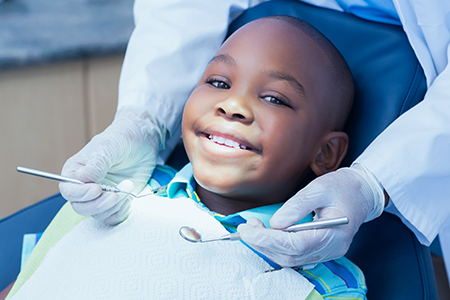
Routine dental exams are much more than a quick look inside the mouth. Each visit includes a careful review of medical and dental history, a clinical assessment of the teeth and gums, and a discussion about growth and function. Regular monitoring allows us to identify early signs of decay, eruption problems, or bite concerns before they become bigger issues.
Professional cleanings remove plaque and deposits in places that are easy to miss at home. For active children and teens, these cleanings reduce inflammation and lower the risk of cavities. We also provide personalized coaching on technique and tools — a few adjustments at home often makes a dramatic difference in oral health.
When indicated, we use digital radiographs to get a clear view of developing teeth and underlying structures. These images help us detect hidden cavities, assess jawbone health, and plan treatments in a way that minimizes procedures while maximizing outcomes.
Tooth decay remains one of the most common chronic childhood conditions, but it is largely preventable with the right combination of habits and professional care. We work with families to identify risk factors such as frequent sugary snacks, prolonged bottle use, or inconsistent brushing, then create realistic plans to reduce exposure and strengthen enamel.
Protective measures like fluoride varnish and dental sealants are simple, effective tools we frequently recommend to lower decay risk on vulnerable tooth surfaces. These treatments are painless and appropriate for many children once primary and permanent molars begin to erupt.
Beyond in-office measures, practical behavior changes — swapping sugary drinks for water, limiting sticky snacks, and keeping consistent brushing routines — are often the single most powerful influence on a child’s long-term oral health.
Begin oral care early and keep it consistent as baby teeth arrive.
Use age-appropriate brushes and a pea-sized amount of fluoride toothpaste when recommended.
Avoid letting infants fall asleep with bottles of milk or juice to reduce the risk of early decay.
Schedule routine dental visits so your child becomes familiar with the office and staff.
Model good habits—children learn brushing and flossing best by watching caregivers.
Choose nutritious snacks, limit sugary treats, and encourage water as the primary beverage.
Work with your child to discontinue pacifier or thumb-sucking habits when appropriate to protect jaw and tooth alignment.
Protect sports smiles with a properly fitted mouthguard for contact or high-impact activities.

Tooth development begins long before birth, and many infants will have one or more teeth by their first birthday. Because early tooth decay can develop quickly, professional organizations recommend a checkup around the time of the first tooth or by the first birthday. That initial visit establishes a baseline and gives parents actionable advice for home care.
Cleaning a baby’s mouth can be simple and effective: a soft cloth or an infant toothbrush helps remove plaque and soothing care helps build a positive experience. As teeth emerge, we’ll advise when to introduce a tiny smear of fluoride toothpaste and how to supervise brushing to prevent swallowing.
Teething can cause discomfort, extra saliva, and fussiness for many babies. Safe, soothing measures — such as chilled teething rings or gentle gum massage — often help. If parents have concerns about fever, prolonged irritability, or unusual symptoms, we encourage them to bring the child in so we can assess the situation.
Healthy dental development includes not only cavity prevention but also watching how the jaws and teeth grow together. We track facial growth, eruption patterns, and bite relationships at each exam so that any emerging orthodontic needs can be identified early and managed in a timely way.
Many alignment and bite concerns can be detected by early elementary school. When intervention is needed, early guidance often simplifies later treatment and can help prevent more complex problems. We collaborate with families and specialists to determine the best timing and approach for orthodontic care.
A balanced, nutrient-rich diet supports both systemic growth and strong teeth. Diets high in sugary, sticky foods increase the risk of decay and contribute to behavioral patterns that hamper oral health. We provide practical nutrition tips that families can adapt to their schedules and preferences to support healthy smiles.
Active children are prone to bumps and falls that can affect teeth and soft tissues. Knowing basic first steps — such as how to handle a knocked-out tooth, when to control bleeding, and when to seek immediate attention — can make a significant difference in outcomes. We provide clear guidance so caregivers can act quickly and appropriately.
Common urgent issues include sudden tooth pain, swelling, chipped or displaced teeth, and traumatic injuries from sports or playground accidents. Our team is prepared to assess the situation, provide pain relief, stabilize injuries when possible, and recommend follow-up care aimed at preserving tooth structure and function.
For children with special health needs or pronounced anxiety, we discuss tailored approaches to care that prioritize safety, comfort, and predictability. Our goal is to manage urgent problems effectively while minimizing stress for both the child and family.
Pediatric dental care is most successful when parents, caregivers, and dental professionals work together. We focus on clear communication, practical instruction, and stepwise plans that children can follow as they grow. This collaborative approach helps children build confidence and take ownership of their oral hygiene over time.
Our practice brings experienced, compassionate clinicians and modern diagnostic tools to each child’s care. We aim to keep treatment as conservative and minimally invasive as possible while delivering reliable outcomes that support function, appearance, and comfort.
If you’d like to learn more about pediatric dental care or discuss how we can support your child’s oral health, please contact us for more information.


A pedodontist is a dentist who has received advanced specialty training in meeting the dental needs of children from infancy to adolescence. Pedodontists, also referred to as "pediatric dentists," study child psychology, behavior management, caring for children with special needs, methods of handling oral/facial trauma, and various techniques for providing anesthesia and sedation. Pedodontists also understand the complexities of facial growth and development and have the clinical skills required to meet the dental needs of all children at every stage of development. Most of all, pedodontists are passionate about what they do and enjoy working with children. They strive to make every dental experience a positive one as they help children establish a strong foundation for good oral health.
Even before your child is born, their first set of teeth is already forming. In fact, by one year of age, some of your baby's front teeth will have already come into place. While the arrival of your baby's first teeth is only one of many developmental milestones, it represents an excellent time to begin a program of oral care. According to recommendations from the American Dental Association, babies should see the dentist around the time of their first birthdays.
Your baby's first teeth typically begin to appear in the 6 to 12-month range. While this is an extraordinary milestone, you need to be aware that your baby may find the experience a little bit uncomfortable. Teething can make babies feel irritable. They may be fussy, have trouble sleeping, not want to eat, and drool quite a bit.
Although you are powerless to speed up the process of teething, there are a few things that you can do to soothe your baby as the new teeth are erupting into place. Common approaches to helping your baby feel more comfortable while getting new teeth, include teething rings or a cold spoon or moist gauze rubbed over their gums.
Even for these few new teeth, it's absolutely essential to establish an effective regimen of oral care. For information on when your baby's first set of teeth will erupt into place, consult this timeline from the American Dental Association: Eruption Charts
Some children persist in sucking their thumbs or fingers beyond their preschool years. For these children, the activity continues to be a source of comfort, relaxation, and security. It may even help them fall asleep at night. However, it's essential to be aware that in the long-term, a finger sucking habit is not healthy.
If your child's thumb or finger sucking habit is still present when the permanent teeth begin to come in, your child is at a higher risk of developing a bad bite. By the age of five or six years, you need to constructively and gently help your child stop the habit.
It's also a good idea to have a comprehensive evaluation at this time. Your pedodontist can assess if there are any habit related alterations to the alignment of your child's teeth or jaws, or if it is affecting their speech or swallowing patterns. They can also discuss habit control strategies with you, as well as follow your child's bite and facial development as they grow. If interceptive appliances or corrective orthodontic care are recommended, the timetable and best options in care will be explained in complete detail.
Professional groups recommend a child visit the dentist by the time the first tooth appears or around the first birthday. This early checkup establishes a baseline for growth and development and allows the team to identify any emerging concerns before they progress. An initial visit also gives parents actionable guidance on home care and feeding habits that protect newly erupted teeth.
At that appointment we focus on creating a calm, positive experience so children associate dental care with safety and routine. The visit typically includes a gentle exam, discussion of preventive steps, and demonstration of simple cleaning techniques for caregivers. Starting care early reduces the chance of future problems and makes subsequent visits more comfortable for both children and families.
We emphasize gentle handling, predictable routines, and age-appropriate explanations to make visits approachable for young patients. Staff take small, reassuring steps—showing instruments, demonstrating brushing techniques, and using friendly language—so children feel in control rather than frightened. Building trust over multiple short visits often leads to less anxiety and better cooperation for necessary care.
Caregivers are included in the process so they can reinforce positive behaviors at home and help children develop confidence. We tailor our approach to each child’s temperament and prior experiences, pacing exams and procedures to keep visits rewarding. This focus on patient comfort supports long-term oral health and helps establish lifelong preventive habits.
Prevention is the foundation of pediatric care and includes routine exams, professional cleanings, and individualized advice on brushing and diet. We commonly use fluoride varnish to strengthen enamel and recommend dental sealants on erupting molars to protect grooves where decay often starts. These in-office measures, combined with consistent home care, dramatically lower the risk of cavities.
When appropriate, digital radiographs provide a clear view of developing teeth and underlying structures so we can catch early problems that are not visible clinically. We also counsel families on practical, everyday strategies like limiting sugary snacks and encouraging water as the main drink. Together these measures help preserve tooth structure and support healthy dental development.
For dental injuries, quick and informed action can improve the outcome: control bleeding with gentle pressure, locate any displaced or knocked-out tooth, and keep it moist while seeking prompt dental care. If a permanent tooth is completely avulsed, placing it back in the socket or storing it in milk or saline can help preserve the tooth for possible reimplantation. For severe pain, swelling, or persistent bleeding, contact the office so we can assess the urgency and provide guidance on next steps.
Our team is prepared to evaluate traumatic injuries, stabilize teeth when possible, and recommend follow-up care aimed at preserving function and comfort. We will explain what to expect during emergency treatment and advise on home care to reduce infection risk while healing occurs. Knowing basic first-aid steps helps caregivers act calmly and effectively until professional care is available.
Thumb-sucking and pacifier use are normal self-soothing behaviors in infancy and early toddlerhood, but prolonged habits can influence tooth position and jaw growth. If these habits persist beyond the preschool years, they may contribute to bite changes such as open bite or misalignment. Early discussion with your dental team helps determine whether intervention is advisable and which strategies may work best for your child.
We recommend gentle, supportive behavior changes and positive reinforcement rather than punishment, since stress can make habits harder to break. In some cases simple reminders, offering alternatives, or setting gradual goals are effective; when needed we can coordinate with pediatric specialists to find an individualized plan. Addressing habits at the right time can reduce the need for more extensive orthodontic treatment later.
Dental development is assessed at routine visits by evaluating eruption patterns, jaw growth, and the relationship between the upper and lower teeth. We track these factors over time so potential alignment or bite concerns are identified early, often during elementary school once many permanent teeth begin to appear. Early recognition allows for simpler interventions that can guide growth and reduce the complexity of future treatment.
When signs suggest a developing orthodontic issue, we discuss timing and possible referral to a pediatric orthodontist and collaborate on a plan that fits your child’s needs. Some conditions benefit from early monitoring only, while others respond best to interceptive treatment. Our goal is to optimize function and appearance while keeping care as conservative as possible.
Each routine visit includes a review of medical and dental history, a clinical evaluation of the teeth and gums, and personalized coaching on home care techniques. Professional cleanings remove plaque and deposits that are easy to miss at home and help reduce inflammation and cavity risk in active children. When indicated, we use digital radiographs to check for hidden decay and to assess tooth development with minimal exposure.
Our team at Angela Laithangbam, DDS Inc. focuses on gentle, educational visits that leave families with clear steps to improve oral hygiene between appointments. We tailor recommendations—such as fluoride use, sealants, or changes to routine—based on each child’s risk profile and developmental stage. Regular monitoring ensures we catch issues early and keep treatments as conservative as possible.
Cleaning an infant’s mouth can begin before teeth erupt by wiping gums with a soft, damp cloth after feedings to remove bacteria and sugars. Once teeth emerge, a soft infant toothbrush and a tiny smear of fluoride toothpaste may be introduced according to age-appropriate guidance, with caregivers supervising brushing to avoid swallowing. These simple steps establish a routine and reduce the risk of early childhood caries.
Teething can cause discomfort, drooling, and fussiness; safe soothing measures like chilled teething rings and gentle gum massage usually provide relief. If you notice prolonged fever, excessive irritability, or other unusual symptoms, bring your child in so we can assess whether the issue is related to teething or requires further evaluation. Clear guidance helps parents respond confidently during this stage of development.
We tailor appointments to each child’s needs by using predictable visit structures, shorter appointment blocks, and clear, calm communication that reduces fear and builds cooperation. Techniques such as tell-show-do, positive reinforcement, and allowing children to become comfortable with the environment before procedures are central to our approach. Collaborating with caregivers to set realistic expectations helps the child feel safe and supported throughout care.
For children with special health care needs we coordinate with families and medical providers to ensure safety and comfort, adapting equipment and scheduling as needed. When additional support or a specialist consultation is appropriate, we make referrals and work together to create a consistent, compassionate plan. Our priority is to provide equitable, effective care while minimizing stress for both child and family.
Nutrition has a direct impact on tooth development and cavity risk: frequent exposure to sugary or sticky foods and drinks increases the chance of decay, while a balanced, nutrient-rich diet supports strong enamel and overall growth. We advise families to favor water as the main beverage, limit snacks high in sugars, and choose tooth-friendly options like fresh fruit, vegetables, and dairy. Simple behavior changes around meal timing and snack choices often produce meaningful improvements in oral health.
In addition to diet, timing matters—grazing on sugary items throughout the day keeps teeth under constant acid attack, whereas scheduled meals with limited snacking reduce that exposure. We provide practical, family-friendly tips that fit daily routines and help children develop sustainable habits. Combined with regular dental care, good nutrition is one of the most powerful tools for preventing cavities and supporting lifelong oral health.

Ready to schedule your next dental appointment or have questions about our services?
Contacting Hearth Dental Practice is easy! Our friendly staff is available to assist you with scheduling appointments, answering inquiries about treatment options, and addressing any concerns you may have. Whether you prefer to give us a call, send us an email, or fill out our convenient online contact form, we're here to help. Don't wait to take the first step towards achieving the smile of your dreams – reach out to us today and discover the difference personalized dental care can make.