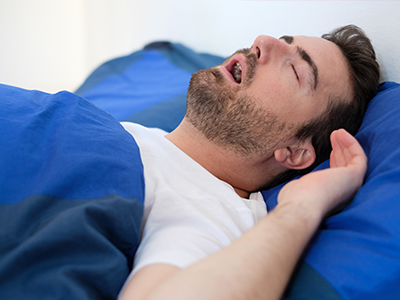
Quality sleep is a foundation for health, mood, and daily performance. When breathing repeatedly stops or becomes shallow overnight, the body and brain miss out on restorative oxygen and rest, which can ripple into fatigue, concentration problems, and longer-term health risks. At the office of Hearth Dental Practice, we provide focused dental solutions for sleep-related breathing issues, helping patients find safer, quieter nights and more energized days.
Obstructive sleep apnea (OSA) is a common sleep disorder in which the airway narrows or collapses during sleep, interrupting airflow and oxygen delivery. These interruptions — called apneas and hypopneas — can occur dozens or even hundreds of times per night, fragmenting sleep architecture and preventing deep, restorative sleep cycles. Although snoring is often the most noticeable sign, OSA is about more than noise: it is a physiological problem that affects breathing, heart function, and daytime alertness.
OSA varies in severity and can affect people of different ages and body types. Anatomy plays a role — factors such as a narrow jaw, large tongue, excess soft tissue, or nasal obstruction can increase the risk — but lifestyle and medical conditions also contribute. Untreated OSA has been associated with elevated blood pressure, increased cardiovascular strain, metabolic disruption, and impaired cognitive performance, which is why timely evaluation and treatment are important.
From a dental perspective, we focus on how oral structures contribute to airway patency at night and how dental therapies can complement medical care. Identifying sleep apnea early and coordinating care with your physician or sleep specialist helps create a comprehensive plan tailored to each patient’s anatomy, symptoms, and lifestyle.
Sleep apnea often announces itself through a mix of nocturnal and daytime signs. Partners commonly report loud, irregular snoring interrupted by gurgling or choking sounds, or episodes where breathing appears to stop. Individuals may wake suddenly gasping for air, or experience frequent, short arousals that they don’t fully remember. These disturbances reduce sleep quality even when total sleep time seems adequate.
Daytime symptoms can be subtle but impactful: persistent drowsiness, difficulty concentrating, mood changes, and headaches upon waking. People with sleep apnea may find routine tasks draining, or notice reduced productivity and impaired memory. In some cases, symptoms are misattributed to stress, aging, or a busy lifestyle, which delays diagnosis and treatment.
Because many people are unaware of their night-time breathing patterns, observation by a bed partner or family member can be an important first step. When signs are present, a formal assessment can determine whether those symptoms stem from OSA or another sleep-related issue and guide the next steps in care.
Diagnosis typically begins with a clinical evaluation and a detailed discussion of symptoms, medical history, and sleep habits. Your dentist can identify anatomical contributors — for example, jaw alignment or oral tissue characteristics — and will often coordinate with a sleep physician to ensure a thorough assessment. Because sleep apnea has medical implications, dental care is most effective when integrated with medical testing and oversight.
Polysomnography (an in-lab sleep study) is the comprehensive standard for diagnosing sleep apnea, measuring breathing patterns, oxygen levels, brain activity, and body movements throughout the night. Home sleep apnea testing can be an appropriate alternative for many patients, providing usable data in a more convenient setting. The results classify the severity of the condition and inform whether dental appliance therapy, CPAP, surgery, or a combination is most suitable.
Interpretation of test results considers both objective measures — such as the apnea-hypopnea index (AHI) — and the patient’s symptoms and health profile. This collaborative approach helps ensure that dental interventions align with the overall medical plan and that patients receive consistent, evidence-based care.
Oral appliance therapy offers an effective, noninvasive alternative for many people with mild to moderate obstructive sleep apnea or for those who cannot tolerate CPAP. These devices, worn like a custom mouthguard, reposition the lower jaw and tongue to help keep the airway open during sleep. By reducing airway collapse, oral appliances can decrease apneas, lower snoring intensity, and improve sleep continuity.
Appliances are custom-fitted from precise dental impressions or digital scans, ensuring comfort and maintaining proper alignment between the upper and lower teeth. Different designs exist — mandibular advancement devices are the most common — and selection is based on each patient’s oral anatomy, dental health, and sleep study findings. Proper fit and periodic adjustment are essential to maximize effectiveness and patient comfort.
When prescribed, oral appliances are part of a monitored treatment plan. Follow-up appointments allow us to evaluate symptom improvement, check for changes in dental alignment or jaw comfort, and collaborate with medical providers. For many patients, these devices provide meaningful improvement in sleep quality and daytime functioning while being easier to accept and use consistently than some other therapies.
Starting treatment for sleep apnea is an active process rather than a one-time fix. After your custom appliance is delivered, initial wearing and gradual adjustments help the mouth adapt while ensuring the airway is effectively supported. Patients typically return for follow-up visits to refine the device, address tenderness or jaw stiffness, and review sleep outcomes. Objective re-assessment — often coordinated with the sleep physician — confirms whether the therapy is achieving desired results.
Long-term success depends on regular monitoring. Oral appliances can alter bite relationships over time, so periodic dental evaluations are necessary to safeguard dental health. We emphasize comfort and function by balancing appliance effectiveness with preserving tooth position and jaw health. If an appliance is not producing sufficient improvement, alternative or adjunctive therapies can be explored in collaboration with medical specialists.
Education is also part of durable care: patients learn about sleep hygiene, lifestyle factors that influence breathing during sleep, and when to seek re-evaluation. When dental sleep medicine is delivered as a consistent, team-based effort, patients enjoy better sleep, reduced symptoms, and a clearer path toward overall wellness.
Dental sleep medicine is a specialized area that brings dental expertise to airway health. At our practice, we combine precise diagnostics, custom appliance fabrication, and attentive follow-up to create individualized plans that respect each patient’s needs and preferences. By working with sleep physicians and medical teams, we ensure dental treatments integrate safely into a broader health strategy.
Whether you are troubled by chronic snoring, wake feeling unrefreshed, or have been identified as at risk for sleep apnea, an evaluation can clarify the underlying causes and treatment options. Our goal is to provide practical, evidence-informed dental care that contributes meaningfully to safer sleep and better daytime function.
To learn more or to arrange an evaluation, please contact us for additional information. We’re here to help you take the next step toward healthier sleep and improved well-being.


Obstructive sleep apnea (OSA) is a sleep disorder in which the upper airway repeatedly narrows or collapses during sleep, interrupting airflow and oxygen delivery. These interruptions, called apneas and hypopneas, fragment sleep and prevent restorative deep sleep cycles, which can leave a person feeling unrefreshed despite adequate time in bed. Because OSA affects breathing and oxygenation, it can increase strain on the heart and impair daytime alertness and cognitive function.
Left untreated, OSA has been linked with higher blood pressure, cardiovascular stress, metabolic changes, and impaired concentration or mood. Recognizing OSA early allows for treatments that reduce these risks and improve daily functioning. Dental care can play an important role by addressing oral and jaw factors that influence airway patency at night.
Common nighttime signs include loud, irregular snoring interrupted by choking or gasping sounds and observed pauses in breathing reported by a bed partner. People with sleep apnea may also experience frequent awakenings, restless sleep, or morning headaches that reflect poor sleep quality. Because many symptoms occur during sleep, partner observations or recordings can be crucial to recognizing a pattern of disturbed breathing.
Daytime symptoms often include excessive sleepiness, difficulty concentrating, mood changes, and reduced productivity at work or school. Some patients notice memory lapses, slowed reaction times, or increased irritability, which are often mistaken for stress or fatigue. If these signs are present, a clinical evaluation and appropriate testing are recommended to determine whether OSA is the cause.
Diagnosis usually starts with a clinical assessment of symptoms, medical history, and an examination of oral and airway anatomy. Sleep testing then provides objective data: in-lab polysomnography measures airflow, oxygen levels, brain activity, and body movements, while home sleep apnea testing records breathing and oxygenation in a familiar environment. The choice of test depends on symptoms, medical history, and guidance from a sleep physician.
Results are interpreted using metrics such as the apnea-hypopnea index (AHI) and oxygen desaturation patterns, combined with the patient’s reported symptoms and overall health. Because OSA has medical implications, dental findings are best integrated with medical testing and a sleep specialist’s interpretation. This collaborative approach ensures a diagnosis that informs safe, effective treatment planning.
Dentists specialized in dental sleep medicine evaluate how oral anatomy influences airway function and determine whether a dental appliance could be an appropriate part of treatment. By taking precise impressions or digital scans, the dentist can design custom oral appliances that reposition the jaw and tongue to reduce airway collapse during sleep. Dentists also monitor dental health and bite changes that can occur with long-term appliance use.
Dental care for sleep apnea is most effective when coordinated with medical providers, including sleep physicians and primary care doctors. This team-based approach ensures that oral appliance therapy complements other treatments such as CPAP or surgery when indicated. Regular follow-up visits support appliance effectiveness and help identify when adjustments or alternative therapies are needed.
Oral appliance therapy uses custom-made devices that fit like a mouthguard to advance the lower jaw slightly and stabilize the tongue, helping to keep the airway open during sleep. These devices reduce the frequency and severity of apneas and often lessen snoring intensity, which can improve sleep continuity and daytime alertness. Appliances are typically considered for patients with mild to moderate OSA or for those who cannot tolerate CPAP therapy.
Appliances are fabricated from dental impressions or digital scans to ensure a comfortable, secure fit and to preserve proper tooth alignment. Follow-up care includes adjustments to optimize airway benefit while minimizing bite changes or jaw discomfort. When used as part of a monitored plan, many patients experience meaningful improvements in sleep quality and daytime function.
Good candidates for oral appliance therapy often include individuals with mild to moderate obstructive sleep apnea, people with significant snoring related to airway collapse, and those who cannot tolerate or decline CPAP treatment. Candidacy also depends on dental health: sufficient teeth for appliance retention, stable periodontal condition, and an absence of severe temporomandibular joint (TMJ) disorders are important considerations. A comprehensive dental and medical evaluation determines whether an appliance is appropriate.
Patients with certain anatomical features, such as a narrow jaw or tongue position that contributes to airway obstruction, may especially benefit from a custom device. Collaboration with a sleep physician ensures that medical risks and comorbid conditions are accounted for in treatment selection. If an oral appliance is not suitable or loses effectiveness over time, alternative or adjunctive therapies can be explored with the medical team.
Fitting begins with a dental exam and impressions or digital scans to create a custom device that aligns the upper and lower teeth comfortably while positioning the jaw forward. Initial wear typically involves a short acclimation period, during which small adjustments may be made to improve comfort and airway opening. Patients are instructed on proper care, nightly use, and how to report any soreness or changes in bite.
Follow-up visits are scheduled to assess symptom improvement, check for jaw or tooth changes, and make fine adjustments to the appliance. Periodic re-evaluation with objective testing or sleep study data may be recommended to confirm continued effectiveness. Long-term monitoring is important because appliances can affect tooth position over time and because sleep needs may change with health or weight fluctuations.
Oral appliances are generally well tolerated, but some patients experience transient side effects such as jaw soreness, tooth discomfort, increased salivation, or dry mouth during the adjustment period. Over longer periods, appliances can sometimes cause gradual changes in tooth alignment or bite relationships, which is why regular dental monitoring is essential. Most side effects can be managed through device adjustments, supportive care, or modifications to the treatment plan.
Rarely, patients with preexisting TMJ issues may find symptoms exacerbated, so a careful pre-treatment assessment is important. If side effects persist or the appliance is not sufficiently reducing apnea events, the dentist and sleep physician will discuss alternative therapies or combination approaches. Ongoing communication between the patient and care team helps maintain safety and maximize benefit.
Continuous positive airway pressure (CPAP) is the most consistently effective therapy for moderate to severe OSA because it actively splints the airway open with pressurized air, while oral appliances work by repositioning oral structures to reduce collapse. CPAP tends to produce greater reductions in apnea events on objective testing, but some patients prefer oral appliances because they are quieter, less obtrusive, and easier to tolerate nightly. Surgery can be effective for select anatomical problems but requires careful patient selection and evaluation by an appropriate specialist.
Choosing between CPAP, oral appliance therapy, or surgery depends on the severity of OSA, patient preference, anatomical findings, and medical comorbidities. A collaborative discussion with a sleep physician and dental provider helps match the right therapy to the patient’s needs and likelihood of adherence. In many cases, combination therapy or stepwise approaches are used to achieve both symptom relief and long-term health benefits.
To arrange an evaluation, call our office at (650) 964-5141 to schedule a consultation focused on sleep-related breathing concerns and oral anatomy. During the visit, we will review your symptoms and medical history, perform an oral and jaw examination, and discuss whether dental appliance therapy or coordination with a sleep specialist is appropriate. If needed, we will work with your physician or a sleep lab to obtain diagnostic testing and interpret the results together.
Our Mountain View office at 505 South Drive, Suite 1 provides personalized, conservative care that emphasizes patient comfort and long-term oral health. The office of Angela Laithangbam, DDS Inc. follows a team-based approach so that dental treatments integrate safely with medical management and deliver measurable improvements in sleep and daytime function. If you suspect sleep apnea, early evaluation can clarify causes and open paths to safer, more restorative sleep.
Ready to schedule your next dental appointment or have questions about our services?
Contacting Hearth Dental Practice is easy! Our friendly staff is available to assist you with scheduling appointments, answering inquiries about treatment options, and addressing any concerns you may have. Whether you prefer to give us a call, send us an email, or fill out our convenient online contact form, we're here to help. Don't wait to take the first step towards achieving the smile of your dreams – reach out to us today and discover the difference personalized dental care can make.