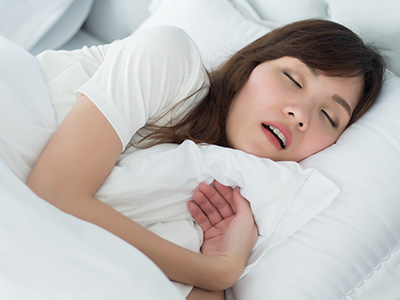
Snoring happens when the tissues at the back of the throat vibrate as air moves past them during sleep. For most people it’s an occasional nuisance; for others it becomes a nightly disruption that affects sleep quality for the individual and their partner. Understanding what causes those vibrations is the first step toward quieter, healthier sleep.
Snoring is very common — millions of adults in the United States experience it to varying degrees. While many snorers do not have a serious breathing disorder, loud or persistent snoring can sometimes signal a more complex condition called obstructive sleep apnea. Careful evaluation helps distinguish harmless snoring from patterns that require medical attention.
Several physical and lifestyle factors influence the way air flows through the nose and throat and can trigger snoring. Below are some of the most common contributors:
Snoring is fundamentally a mechanical phenomenon: when air can’t move freely through the upper airway, the soft tissues vibrate and produce sound. In lighter sleep stages these tissues can maintain some tone; during deeper sleep, muscle relaxation increases and the airway becomes more susceptible to collapse. Small anatomical differences can make a major difference in who snores and who sleeps silently.
Beyond anatomy, breathing patterns matter. Nasal congestion forces mouth breathing, which alters the angle of airflow and increases the likelihood of vibration. Similarly, substances that depress the nervous system — alcohol, certain sedatives, or even extreme fatigue — reduce muscle tone and raise the chance of snoring episodes.
Understanding these mechanics helps guide treatment choices. Some approaches aim to change sleeping position or reduce inflammation in the nose; others alter the oral cavity’s structure to keep the airway more open. Identifying the right path requires assessing both the underlying contributors and the severity of the symptom.
Not every instance of snoring needs medical intervention, but persistent loud snoring or snoring accompanied by daytime sleepiness, morning headaches, choking or gasping during sleep, or observed pauses in breathing warrants professional assessment. These symptoms can be signs of obstructive sleep apnea, which carries health implications beyond disrupted sleep.
A primary step in evaluation is a detailed history and physical exam focused on the airway, dentition, and jaw relationship. Dentists trained in sleep-related breathing disorders look for anatomical features that contribute to obstruction and consider how oral structures might be modified to improve airflow during sleep.
When clinical findings suggest a possible sleep apnea diagnosis, collaboration with a sleep medicine specialist or referral for home or lab-based sleep testing may be recommended. This multidisciplinary approach ensures that snoring is not treated in isolation when a broader medical condition may be present.
Custom oral appliances are noninvasive devices worn while sleeping that help keep the airway open by gently repositioning the lower jaw and, in some designs, the tongue. Unlike over-the-counter nightguards, professionally fabricated appliances are customized to the patient’s bite and oral anatomy for better fit, comfort, and effectiveness.
These devices typically look like a compact mouthguard or retainer and are made from durable, medical-grade materials. By shifting the lower jaw forward by a modest, controlled amount, the appliance enlarges the space behind the tongue and reduces tissue collapse — the mechanical cause of vibration and snoring.
Because they are removable and simple to use, oral appliances are a preferred option for people seeking a comfortable, travel-friendly solution. For many primary snorers — those without obstructive sleep apnea — a well-fitted appliance can significantly reduce noise and improve sleep continuity for the patient and their bed partner.
Ideal candidates are adults whose snoring stems primarily from airway narrowing in the mouth and throat rather than from severe nasal obstruction or advanced sleep apnea. People who prefer a non-surgical option, those who cannot tolerate continuous positive airway pressure (CPAP), or anyone seeking a minimal, reversible intervention often find oral appliances appealing.
Before recommending an appliance, a clinical exam will assess dental health, jaw joint function (TMJ), and bite alignment to ensure the device will be safe and effective. Patients with sufficient healthy teeth to support the appliance and without active gum disease are generally better candidates.
In cases where sleep apnea is confirmed or suspected, oral appliances may still play a role as part of a broader treatment plan; coordination with a sleep physician helps determine whether an appliance is appropriate alone or in combination with other therapies.
Fitting a custom appliance begins with an intraoral examination and accurate impressions or a digital scan of the teeth. Precise records enable the laboratory to craft a device that mirrors the patient’s bite and comfortably guides the lower jaw forward. The initial fitting appointment includes adjustments to optimize comfort and ensure proper jaw positioning.
After the appliance is in regular use, follow-up visits are important to monitor effectiveness, comfort, and any changes in the bite or jaw joint. Small refinements can improve performance and reduce side effects such as jaw soreness or tooth sensitivity. Routine dental checkups ensure the appliance and oral tissues remain healthy over time.
Success is typically measured by reduced snoring frequency and intensity and by improvements in sleep quality reported by the patient and their partner. If symptoms do not improve as expected, reassessment helps determine whether the device needs modification or whether other interventions should be explored.
At Hearth Dental Practice, we focus on conservative, evidence-based solutions designed to improve sleep and protect oral health. Our approach emphasizes understanding each patient’s anatomy and sleep pattern to recommend the most appropriate, least invasive option.
In summary, snoring is a common condition with many causes, and custom oral appliances are a proven, comfortable tool for many people who need a practical way to reduce noise and improve sleep. If you’d like to learn more about how a snoring appliance might help in your case, please contact us for more information.


Snoring occurs when soft tissues at the back of the throat vibrate as air passes during sleep. These vibrations are more likely when the airway narrows because of anatomy, relaxed muscles, or nasal congestion. Sleep stage and body position also influence how much the airway collapses and produces sound.
Nasal blockage, excess soft tissue in the throat, and substances that reduce muscle tone each increase the likelihood of vibration. Sleeping on the back often allows the tongue to fall backward and further narrow the airway. Understanding these mechanical factors helps guide which treatments are likely to be effective.
Simple snoring is sound produced by airway vibration without repeated breathing pauses or significant drops in oxygen. Obstructive sleep apnea (OSA) involves repeated partial or complete airway collapse that causes breathing interruptions, oxygen desaturation, and fragmented sleep. OSA carries broader health risks, including excessive daytime sleepiness and cardiovascular strain.
Loud, chronic snoring accompanied by gasping, witnessed pauses, or marked daytime fatigue should prompt evaluation for OSA. A clinician can recommend home or lab-based sleep testing when apnea is suspected. Accurate diagnosis matters because the most effective treatments differ between primary snoring and sleep apnea.
At the office of Angela Laithangbam, DDS Inc., dentists trained in sleep-related breathing assess oral anatomy, dentition, and jaw relationships that influence airway patency. They check for enlarged tongue base, elongated soft palate, high-arched palate, and bite conditions that may contribute to airway collapse. This dental-focused exam complements the medical history to determine whether an oral device could be a helpful option.
When clinical findings raise concern for obstructive sleep apnea, the dentist works with a sleep medicine specialist and may recommend sleep testing. Collaboration ensures snoring is not treated in isolation when a broader medical condition exists. The combined approach helps create a safe, evidence-based treatment plan tailored to the patient.
A custom oral appliance is a removable device made to fit an individual's teeth and bite, similar in appearance to a retainer or mouthguard. By gently advancing the lower jaw or stabilizing the tongue, the device enlarges the space behind the tongue and reduces tissue collapse that produces snoring. Because it is customized, a professionally made appliance offers better fit, comfort, and predictable positioning than over-the-counter alternatives.
Appliances are fabricated from medical-grade materials and adjusted to the patient's bite for long-term nightly use. They provide a noninvasive, portable solution that many people prefer for primary snoring or mild sleep-disordered breathing. Ongoing evaluation ensures the device remains comfortable and effective as oral or sleep conditions change.
Ideal candidates are adults whose snoring primarily results from collapsibility of the oral airway rather than severe nasal obstruction or confirmed moderate-to-severe sleep apnea. Patients who cannot tolerate continuous positive airway pressure or who prefer a conservative, reversible option often find oral appliances appealing. Adequate healthy teeth or stable restorations are usually required to support the device safely.
A dental exam will screen for gum disease, loose teeth, and temporomandibular joint issues that could affect appliance use. For patients with suspected sleep apnea, appliance therapy is considered in partnership with a sleep physician and after appropriate testing. The clinician will explain suitability, expected benefits, and alternative treatments during the evaluation.
At the office of Angela Laithangbam, DDS Inc., fitting begins with an intraoral exam and precise impressions or a digital scan to capture accurate bite relationships. The laboratory fabricates the appliance from these records, and the initial delivery appointment includes adjustments to optimize comfort and jaw position. Patients receive instructions on gradual wear, cleaning, and how to recognize pressure points or soreness.
Follow-up visits are scheduled within a few weeks to fine-tune fit and confirm symptom improvement, with periodic reviews thereafter. Monitoring includes assessment of jaw comfort, tooth sensitivity, and any changes in the bite that can occur with prolonged use. Regular dental checkups help ensure oral health is preserved while the appliance is in use.
Mild side effects can include jaw soreness, tooth or gum discomfort, and increased salivation during the initial adjustment period. These issues often improve with small appliance adjustments, gradual increase in wear time, or simple self-care measures recommended by the dentist. Persistent or severe temporomandibular joint pain or notable changes in bite require prompt re-evaluation.
Less commonly, long-term use may cause tooth movement or occlusal changes that should be monitored during routine care. Regular follow-up appointments allow the dentist to identify and manage these changes early so corrective steps can be taken. While risks are generally lower than with invasive procedures, informed decision-making and monitoring are essential.
For primary snoring and mild sleep-disordered breathing, custom oral appliances often produce substantial reductions in noise and improved sleep continuity for patients and their bed partners. Continuous positive airway pressure remains the most reliable therapy for moderate-to-severe obstructive sleep apnea because it prevents airway collapse effectively. Treatment selection depends on diagnosis, severity, patient preference, and real-world adherence.
Oral appliances offer advantages in portability, comfort, and tolerability, which can make them more effective in practice when CPAP is not used consistently. Surgical and positional therapies are alternatives in select anatomic situations but carry different risks and recovery profiles. A multidisciplinary assessment determines the most appropriate single therapy or combination for each patient.
Daily cleaning with a soft toothbrush and mild, nonabrasive soap prevents bacterial buildup and helps preserve the appliance material. Store the device in its protective case away from heat and pets when not in use, and inspect it periodically for cracks, wear, or distortion. Avoid abrasive cleaners, boiling water, and harsh chemicals that can damage the appliance.
Bring the appliance to dental visits so the dentist can check fit and function and make adjustments as needed. If you notice new tooth mobility, persistent discomfort, or a change in your bite, discontinue use and schedule an evaluation. Proper care and timely follow-up maximize benefits and reduce the chance of complications.
Seek medical evaluation if snoring is accompanied by witnessed pauses in breathing, choking or gasping during sleep, excessive daytime sleepiness, or morning headaches. These symptoms raise concern for obstructive sleep apnea and typically warrant sleep testing to quantify breathing events and oxygen levels during sleep. Early diagnosis is important because untreated sleep apnea has systemic health consequences.
If a sleep study confirms OSA, coordinated care with a sleep specialist helps determine whether an oral appliance is appropriate alone or combined with other therapies. The dentist and physician collaborate to monitor outcomes and adjust treatment based on symptom improvement and objective test results. Regular reassessment ensures therapy remains effective as weight, sleep habits, or medical conditions change.
Ready to schedule your next dental appointment or have questions about our services?
Contacting Hearth Dental Practice is easy! Our friendly staff is available to assist you with scheduling appointments, answering inquiries about treatment options, and addressing any concerns you may have. Whether you prefer to give us a call, send us an email, or fill out our convenient online contact form, we're here to help. Don't wait to take the first step towards achieving the smile of your dreams – reach out to us today and discover the difference personalized dental care can make.